Start Here
Get plumbing help when you need it
Tell us about the plumbing issue at your home or property. We can help with leaks, clogs, water heaters, sewer line problems, fixture replacements, toilets, sump pumps, boilers, and urgent repair needs.
Services
When hot water drops off, turns inconsistent, or starts causing noise, it can interrupt the whole day. Lantz's Mountainside Plumbing and Heating helps homeowners and property managers in Conifer, CO understand what is happening with the water heater and what needs attention next.
We start by looking at the symptoms, checking the unit’s condition, and narrowing down the cause before any repair work moves forward. That approach helps protect the equipment, avoid unnecessary parts replacement, and get the system back to dependable operation with as little disruption as possible.
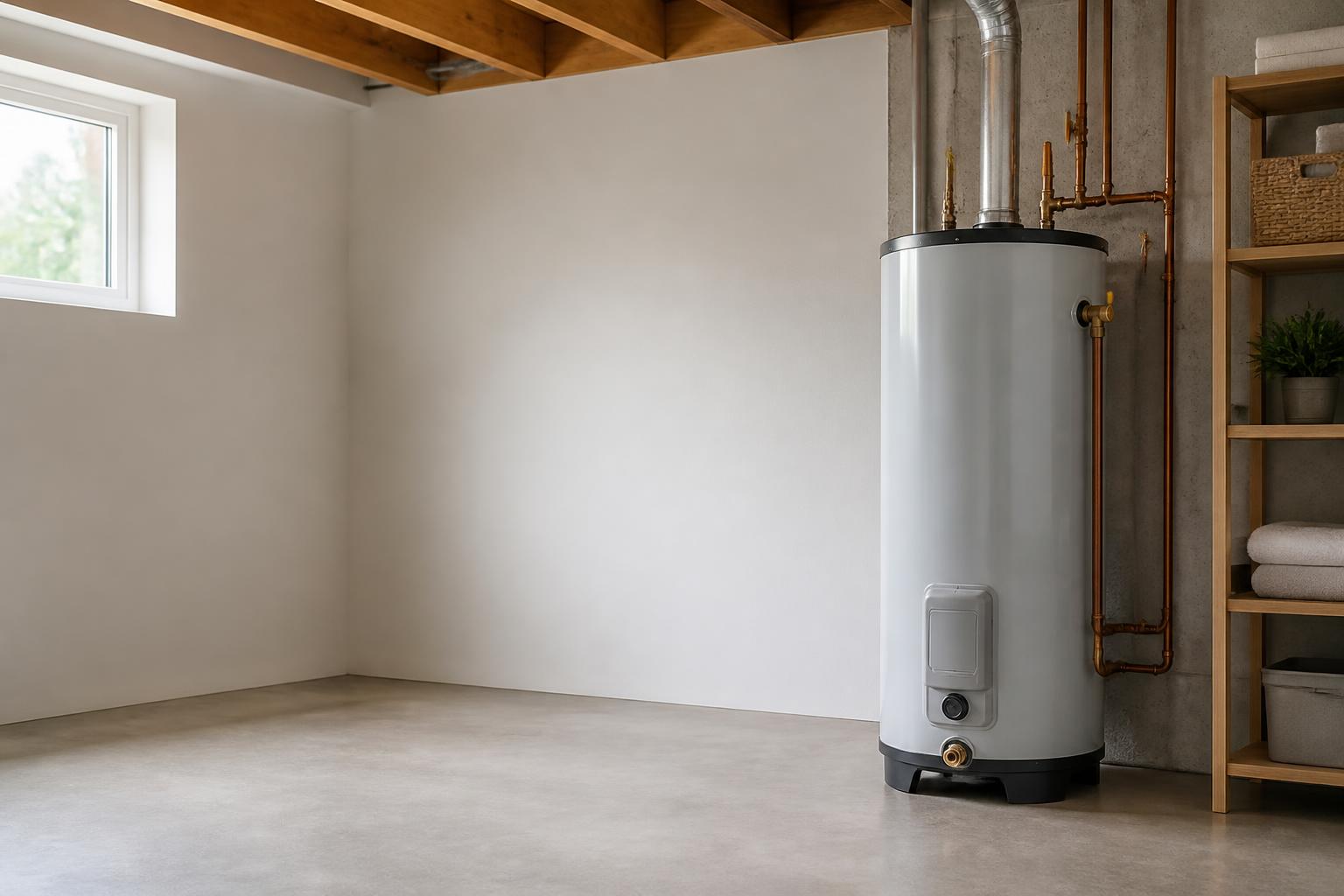
Water heater problems usually show up through changes you can notice right away. Some issues are minor at first, while others point to a part that is wearing out or a system that needs prompt attention. Water heater repair makes sense when the unit still has useful life left, but one or more parts are not working as they should.
Common signs include water that runs cold sooner than expected, temperature swings, rumbling sounds from the tank, visible drips around the unit, or hot water that seems weaker than usual. A change in how the system heats or stores water can also be a sign that something internal needs to be checked before it causes a larger problem.
Before recommending a repair, we inspect the full system so the fix matches the actual cause. A water heater can show the same symptom for more than one reason, and guessing can lead to unnecessary work. We look at the visible condition of the equipment, the connections, and the parts involved in heating and delivery.
That may include the tank or unit body, supply and discharge connections, shutoff points, visible leaks, thermostat settings, and other parts tied to performance. If the issue is connected to a nearby plumbing concern, such as a pipe leak repair or fixture installation issue affecting water delivery, we take that into account too.
Once we understand the situation, we explain the next step clearly so you know what is being addressed and why. Water heater repair can be straightforward when a single part has failed, or it can require a more careful approach if the unit has more than one issue.
We keep the work focused on the equipment and the property around it. That means protecting nearby surfaces, checking access, and making sure any repair is completed with the surrounding plumbing and venting conditions taken into account. If the heater is part of a larger concern, such as drain cleaning, sewer line repair, or sump pump services affecting the area, we note that before moving ahead.
Different water heater styles can show different warning signs, and the right repair depends on the unit you have. Some systems store hot water, while others heat water as it passes through. The way the problem appears can help point to the right fix, but the work still starts with a close inspection.
On tank units, sediment buildup, a failing thermostat, or a worn valve may be part of the problem. On tankless units, flow issues, control concerns, or heating faults may affect performance. We do not assume the cause based on a single symptom, because the same complaint can come from more than one source.
The condition of the unit, the age of the parts, and how quickly the issue is addressed all affect the repair outcome. A simple adjustment can sometimes solve the problem, while worn components or repeated leaks may call for a more involved fix. We aim to give you a clear picture of what is realistic before work begins.
When a water heater has been struggling for some time, related plumbing issues can make the job more complex. For example, a pipe leak repair may be needed if nearby piping has been stressing the unit’s performance, or a boiler repair may be the right path if the heating system being used is not a standard water heater. We work through the issue based on the system actually installed.
Homeowners often want to know how to prepare the area and what to expect once a visit is scheduled. The best preparation is simple. Make sure the unit is accessible, keep the area around it clear, and mention any changes you have noticed, including noises, leaks, temperature changes, or the length of time the issue has been happening.
If the water heater is tied to other plumbing concerns, it helps to mention those too. A toilet repair, fixture installation, or drain cleaning issue may not seem related, but it can help us understand how the plumbing system is behaving as a whole. That context makes it easier to identify whether the heater is the only problem or part of a larger service need.
Lantz's Mountainside Plumbing and Heating provides water heater repair from Conifer, CO and serves nearby communities including Evergreen, Bailey, Morrison, Pine, Kittredge, Indian Hills, Aspen Park, Pinecliffe, and surrounding areas. If your property is within the local service area and the water heater is not performing correctly, we can help assess the problem and move toward a practical repair.
We work from our Conifer location at 26267 Conifer Rd Suite 308, and we schedule service during extended weekday hours as well as Sunday availability. Whether the concern is a small performance change or a more obvious leak or loss of hot water, the goal is to give you a clear next step and restore normal use as soon as possible.
Not every water heater issue means replacement. Many problems are repairable when they are caught early and addressed with the right approach. If your unit is making new sounds, struggling to heat, leaking, or simply not keeping up with daily use, it is worth having it checked before the issue grows.
When you contact us, we focus on the specific symptoms, the condition of the unit, and the repairs that make sense for your property. That keeps the work practical, direct, and centered on getting reliable hot water back without unnecessary steps.
Start Here
Tell us about the plumbing issue at your home or property. We can help with leaks, clogs, water heaters, sewer line problems, fixture replacements, toilets, sump pumps, boilers, and urgent repair needs.